
Forex Trading Halal or Haram Understanding Islamic Finance Principles
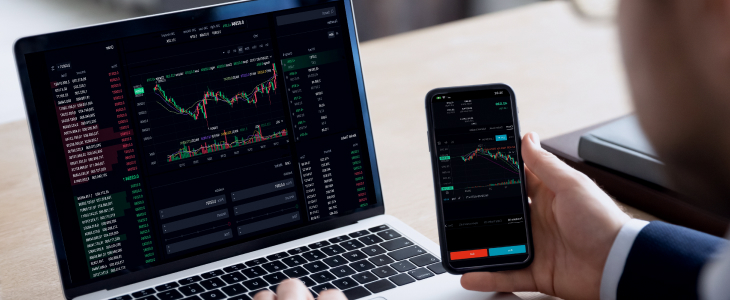
The world of forex trading is vast and complex, attracting millions of traders globally. However, for Muslims considering entering this market, a critical question arises: Is forex trading halal or haram? This article will delve into the nuances of forex trading in the context of Islamic finance principles, providing insight for traders seeking to navigate this territory while adhering to their faith. For more resources on trading, visit forex trading halal or haram https://trading-terminal.com/.
Understanding Halal and Haram
In Islamic terminology, “halal” refers to what is permissible, while “haram” denotes what is forbidden. These concepts are derived from Sharia law, a system that governs not just personal conduct but also financial transactions. Therefore, understanding whether forex trading fits within these parameters requires a deep dive into its mechanics and principles.
The Basics of Forex Trading
Forex, or foreign exchange, is the market where currencies are traded. It operates 24 hours a day across global financial centers, making it one of the largest financial markets in the world. Traders engage in buying and selling currencies in hopes of profiting from fluctuations in exchange rates.
Islamic Finance Principles
When assessing the permissibility of forex trading in Islam, it’s essential to consider key principles. These include:
- Riba (Usury): The concept of interest is strictly prohibited in Islam. Any financial transaction that involves payment or receipt of interest is considered haram.
- Gharar (Uncertainty): Transactions that involve excessive uncertainty or ambiguity are not allowed. Ensuring clarity and transparency in trades is crucial.
- Maṣlaḥah (Public Interest): Financial activities should benefit the community and not just the individual. Investments should be ethical and socially responsible.
Evaluating Forex Trading
In the context of the forex market, opinions among scholars vary widely. Some argue that forex trading can be considered halal if conducted under certain conditions, while others assert that it inherently involves elements of riba and gharar, rendering it haram. Let’s evaluate some factors that influence this debate.
1. Leverage and Margin Trading
Many forex brokers offer leverage, allowing traders to control large positions with relatively small amounts of capital. However, this practice can lead to excessive risk and potential losses that can be seen as unethical. Scholars who argue against forex trading often cite the use of leverage as a form of riba since it can result in interest payments on borrowed funds.
2. Day Trading and Speculation
Day trading, which involves buying and selling currencies on the same day, is viewed by some as a gambling-like activity. Islamic finance principles discourage speculative and gambling practices, highlighting the necessity for a clear purpose and intent behind every transaction. In this light, traders must be determined in their strategies to avoid crossing into the realm of gambling.
3. Swap-Free Accounts
To accommodate Muslim traders, many brokers offer “swap-free” accounts that do not incur interest charges. This structure allows traders to participate in the forex market without conflicting with the prohibition of riba. However, it is essential for traders to ensure these accounts align with Sharia principles and to investigate the broker’s legitimacy.
Making an Informed Decision
Ultimately, whether forex trading is halal or haram is a complex question that may vary based on individual circumstances and interpretations of Islamic law. It is crucial for Muslim traders to conduct thorough research and seek guidance from knowledgeable scholars in Islamic finance.
Here are some steps to help you make an informed decision:
- Consult with a qualified Islamic scholar who specializes in finance.
- Explore various trading platforms for compliance with Islamic laws, such as offering swap-free accounts.
- Educate yourself about risk management strategies to minimize speculation.
- Reflect on your trading goals and whether they align with Islamic values.
Conclusion
In conclusion, forex trading occupies a gray area in Islamic finance, where the sustainability of the practice hinges on adherence to Islamic principles. While some aspects of forex trading can be aligned with halal principles, others may not be permissible. It’s imperative for traders to be diligent and ensure their trading practices uphold the tenets of their faith. Engage in continuous learning and remain connected with the Islamic finance community to stay informed and responsible in your trading endeavors.
