
AI Forex Trading Revolutionizing the Future of Currency Exchange
AI Forex Trading: Revolutionizing the Future of Currency Exchange
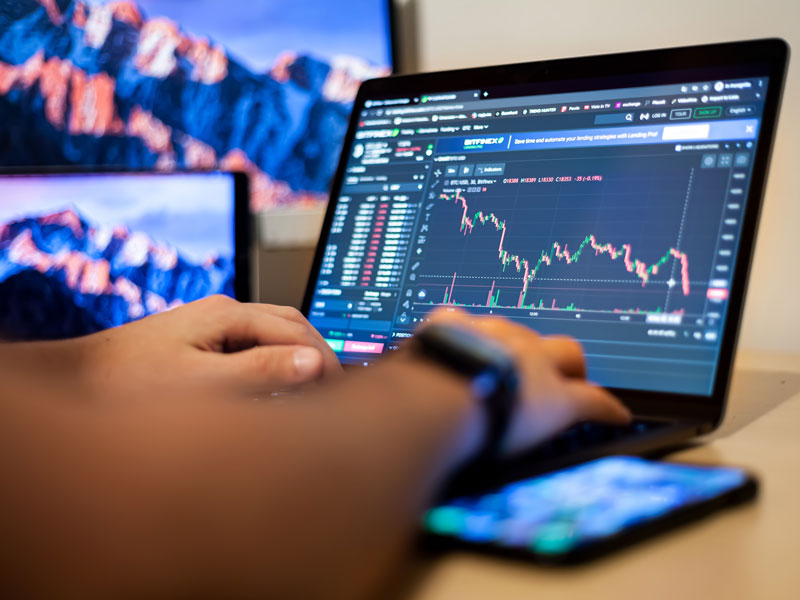
The forex market stands as the largest financial market in the world, with an estimated daily trading volume exceeding $6 trillion. Traders and investors engage in currency exchange either to profit from market fluctuations or to hedge against risks related to international trade. In recent years, the integration of artificial intelligence (AI) into forex trading has begun to redefine how trades are executed, analyzed, and optimized. ai forex trading Top Sharia Forex Platforms are increasingly leveraging AI technologies to enhance their services, ensuring that clients access the best trading practices compliant with Islamic finance principles.
The Role of AI in Forex Trading
AI facilitates several aspects of forex trading, which can be categorized into data analysis, trade execution, risk management, and personalized trading strategies. By harnessing machine learning algorithms, traders can analyze vast amounts of market data more efficiently and accurately than traditional methods allow. Here are some key areas where AI is making significant impacts:
1. Enhanced Market Analysis
AI-powered tools implement algorithms that evaluate historical market data, identify patterns, and predict future price movements. These machine learning models continually improve over time as they are exposed to more data. As a result, traders are provided with insights that can lead to better-informed decisions, which is especially crucial in a market as volatile as forex.
2. Automated Trading
Automated trading systems powered by AI can execute trades on behalf of traders based on predefined criteria. These trading bots can analyze market conditions, detect entry and exit signals, and place trades much faster than human traders. Automation reduces the emotional component of trading, which can often lead to irrational decision-making. Moreover, AI trading platforms can operate 24/7, taking advantage of opportunities that arise outside regular trading hours.
3. Risk Management
AI plays a pivotal role in managing trading risks. Using predictive analytics, AI systems can assess the risk levels associated with specific trades and optimize position sizes accordingly. They can also devise strategies for stop-loss and take-profit orders, helping traders to minimize potential losses while maximizing gains. By analyzing market trends, news sentiment, and economic factors, AI can help forecast potential volatility and alert traders to adjust their strategies proactively.
4. Customized Trading Strategies
AI can tailor trading strategies to individual trader profiles by analyzing their past behavior and preferences. Through continuous learning, these systems adapt to changes in a trader’s style or market conditions, providing personalized recommendations. This nuanced approach can enhance a trader’s performance and increase satisfaction with their trading activities.
Challenges and Considerations in AI Forex Trading
While AI has the potential to transform forex trading, it is not without challenges. Here are some important considerations:
1. Dependence on Data Quality
The effectiveness of AI algorithms is heavily reliant on the quality and integrity of the data fed into them. Inaccurate or misleading data can lead to erroneous predictions and, consequently, financial losses. Traders must ensure they utilize reliable data sources and confirm the credibility of the information processed by AI systems.
2. Market Unpredictability
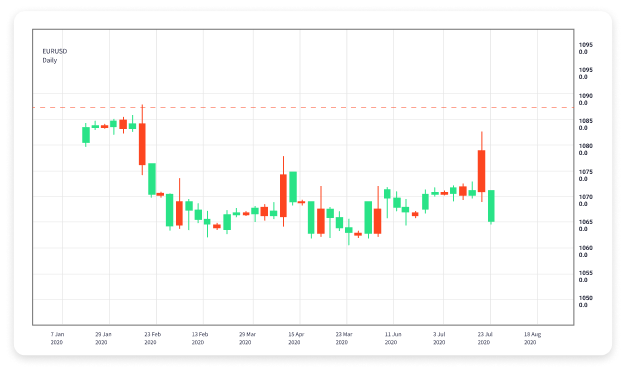
Financial markets can be unpredictable due to a myriad of factors, including geopolitical events, economic changes, and unexpected market sentiments. While AI can analyze through historical data to identify trends, it cannot fully account for sudden changes that could impact the forex market. Traders should always consider external factors and maintain a level of skepticism regarding AI predictions.
3. Ethical and Regulatory Concerns
As AI technologies become more entrenched in trading, ethical considerations emerge, including fairness, transparency, and accountability. Regulatory bodies are now paying more attention to AI-based trading strategies to ensure compliance with financial regulations. Traders must ensure that their AI systems comply with all legal requirements and ethical standards.
Looking Ahead: The Future of AI in Forex Trading
As AI technology continues to evolve, its impact on forex trading is likely to grow. Future enhancements may include more sophisticated algorithms capable of processing unstructured data such as news articles and social media sentiment in real time. Moreover, the development of quantum computing could take AI trading to an entirely new level, allowing for lightning-fast computations and even more precise predictions.
Furthermore, educational resources regarding AI trading strategies will become increasingly important as more traders seek to understand and utilize AI tools effectively. With such knowledge, traders can better navigate the complexities of the forex market, integrating AI insights while applying their unique strategies.
Conclusion
AI is undoubtedly revolutionizing the forex trading landscape. From enhancing market analysis to providing automated trading solutions, AI offers a myriad of benefits to traders venturing into the forex market. However, it is crucial to approach AI trading with due diligence, fully understanding its advantages as well as the challenges that come with it. As the technology matures, traders who adapt to these changes and leverage AI’s benefits will likely see significant advantages in their trading endeavors.
With ongoing advancements in AI technology, the future of forex trading promises to be dynamic and full of opportunities for those willing to embrace change and innovation.
